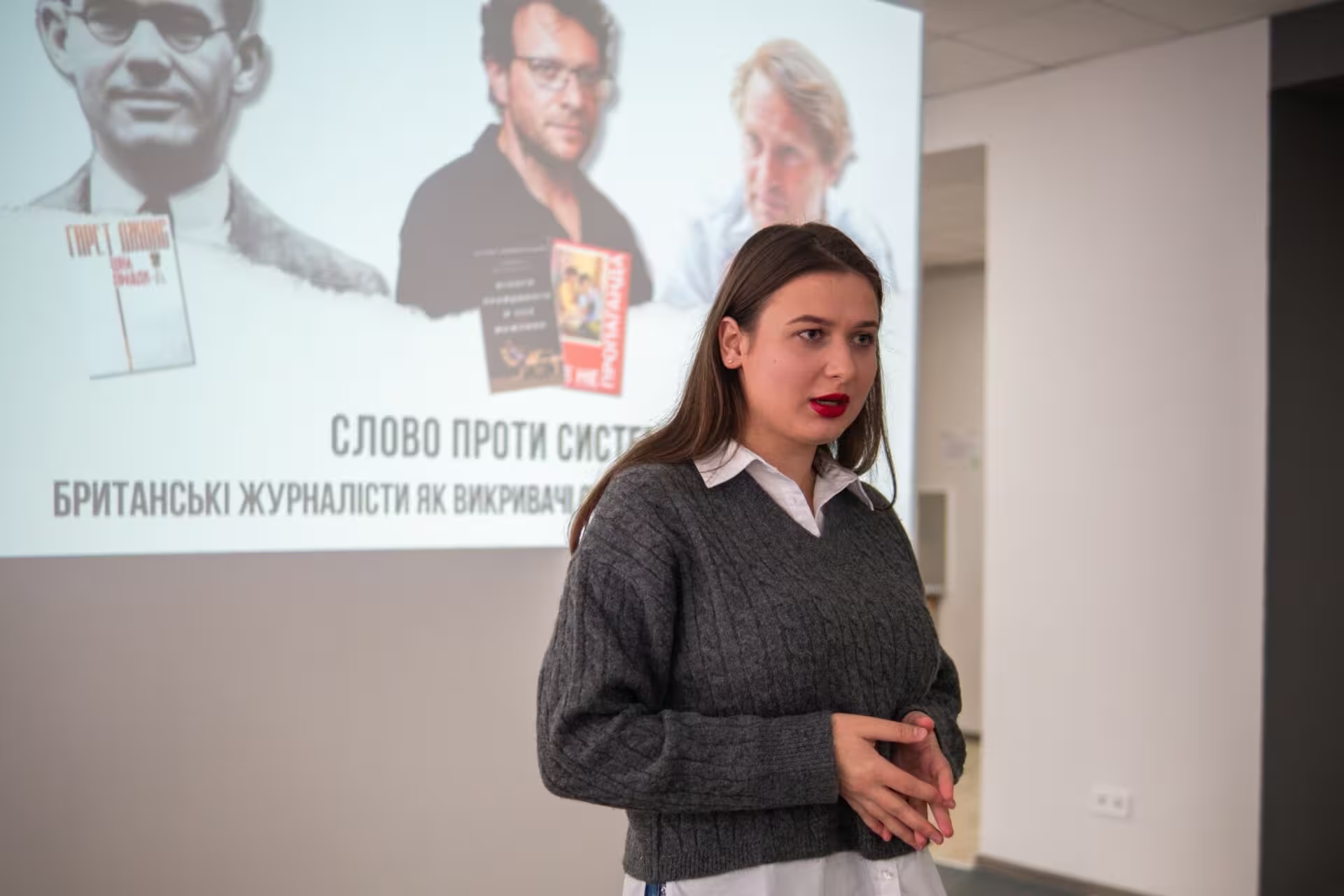
On October 15, a lecture entitled “Words Against the System” was held at the YouthHub youth center in Uzhhorod.
The event was dedicated to the work of journalists who have spent many years researching and reporting on life in countries with strict state control.
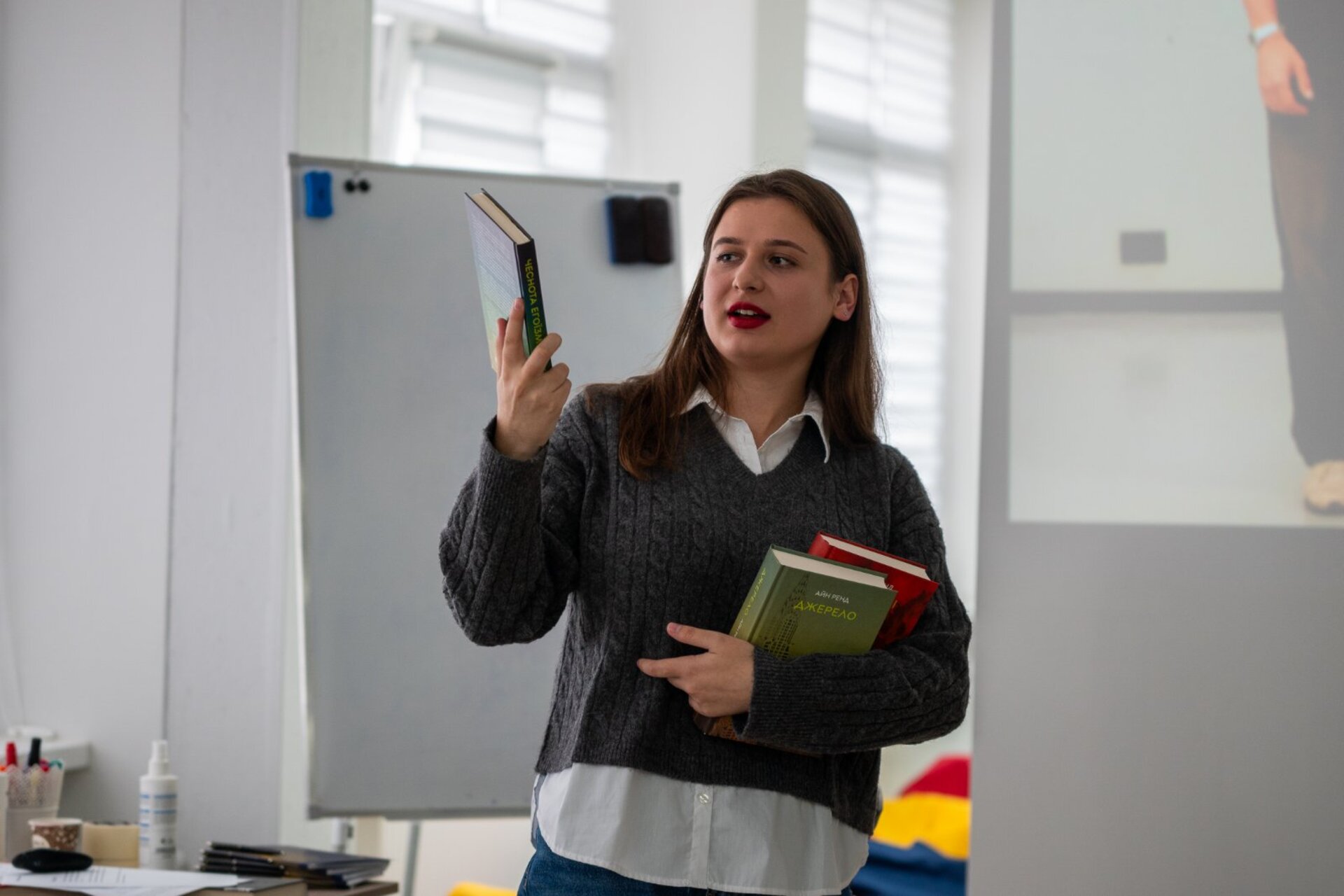
The lecturer was Yulia Dmytryshyn, a third-year student in the journalism department at UzhNU. She spoke about the lives and work of reporters who traveled to different countries to convey to the world the truth about the “former empire,” its propaganda, social transformations, and the fates of individuals. The main characters were Gareth Jones, Peter Pomerantsev, and Luke Harding.
But before talking about journalism, it is worth getting to know Yulia. She is a student of the Objectivism is Program, an educational initiative of the Ayn Rand Center Ukraine, which teaches the philosophy of objectivism, the history of capitalism, and the advantages of an open society. Each year, only ten participants are selected to complete tasks ranging from writing articles to organizing events. The latter is Yulia’s favorite task.
“A book is the best gift,” she says, “but an even greater gift for me is communicating with people and creating events that inspire.”
At the beginning of the lecture, the lecturer asked the audience a question: What is reporting? The students concluded that it is a mirror through which journalists convey events to others in real time. Yulia added:
“Reporting is a difficult genre, but it is the one I want to develop in.
She explained that reportage combines facts, descriptions, dialogues, and details. Most importantly, a journalist must convey information in such a way that you feel as if you were there yourself. Yulia also talked about literary reporting, which was pioneered by Tom Wolfe in the US in the 1960s. Its distinctive feature is that the author lives the story of the protagonist, allowing themselves subjectivity and emotion, but preserving the truthfulness of the facts.

So let’s finally move on to our heroes. Gareth Jones was the first journalist to reveal the truth about the Holodomor in Ukraine to the world in 1933.
He was interested in the USSR, and while in England, he wanted to cover the history of the Bolsheviks in Russia, thinking that communism could serve as an example for his homeland. He ended up in the Kharkiv region and saw how Russia was torturing people with hunger. After that, despite the danger, Jones wrote articles, conducted interviews, noted down everything he heard and saw, and even managed to get exclusive interviews with Hitler and Goebbels.
His more than 20 articles on the Holodomor became a sensation. And on March 29, 1933, he convened a conference in Berlin where he spoke about the famine. As a result, the Soviet authorities began to persecute him. Later, at the age of 29, Jones was killed, but he left behind evidence that is still invaluable today. The film The Price of Truth shows in more detail not only the life but also the work of the journalist.

In contrast to Jones, American journalist Walter Duranty, who worked in Russia and justified Stalin’s regime, was presented. He was one of those who persuaded Gareth to refrain from spreading information about the Holodomor, and later wrote articles accusing Jones of “spreading rumors.” This proves once again that journalists always have a choice: to remain silent or to tell the truth.
Peter Pomerantsev is a contemporary British journalist whom Yulia spoke very highly of, even saying that she owns almost all of his books.
He was born in Kyiv into a dissident family. His family emigrated due to persecution by the KGB. In the early 2000s, he went to Russia to work for the TNT television channel, and later wrote the book Nothing True and Everything Possible, in which he described the world of Russian propaganda. His description of his work at the Potemkin production studio showed how enormous the influence of Russia is, based on a system of fear, control, and propaganda.
Pomerantsev is currently working on the project Ukraine Testifies with Natalia Gumenyuk, historian Timothy Snyder, and others. Their team of more than 20 people is documenting Russian crimes in Bucha and the Kharkiv region. Their work is not about gathering information quickly — sometimes it can take several months. This is what Pomerantsev said in one of his interviews.
“For me, this is an example of journalism that not only informs but also shapes historical memory,” says the lecturer, moving on to the next journalist.
Luke Harding, a journalist for The Guardian and author of the book. Mafia State, wrote about Putin’s regime, repression, and corruption.
For this, he was denied re-entry into the country on the grounds that his visa had expired. Even though his passport was in order.
After February 24, 2022, he worked in Ukraine, documenting the war and telling the world the truth.
In conclusion, Yulia emphasized:
“A journalist is a person with values who seeks the truth even where lies prevail. It is important for me to show that Ukrainian journalists should cooperate with their international colleagues. They are the light that brings our story to the world.
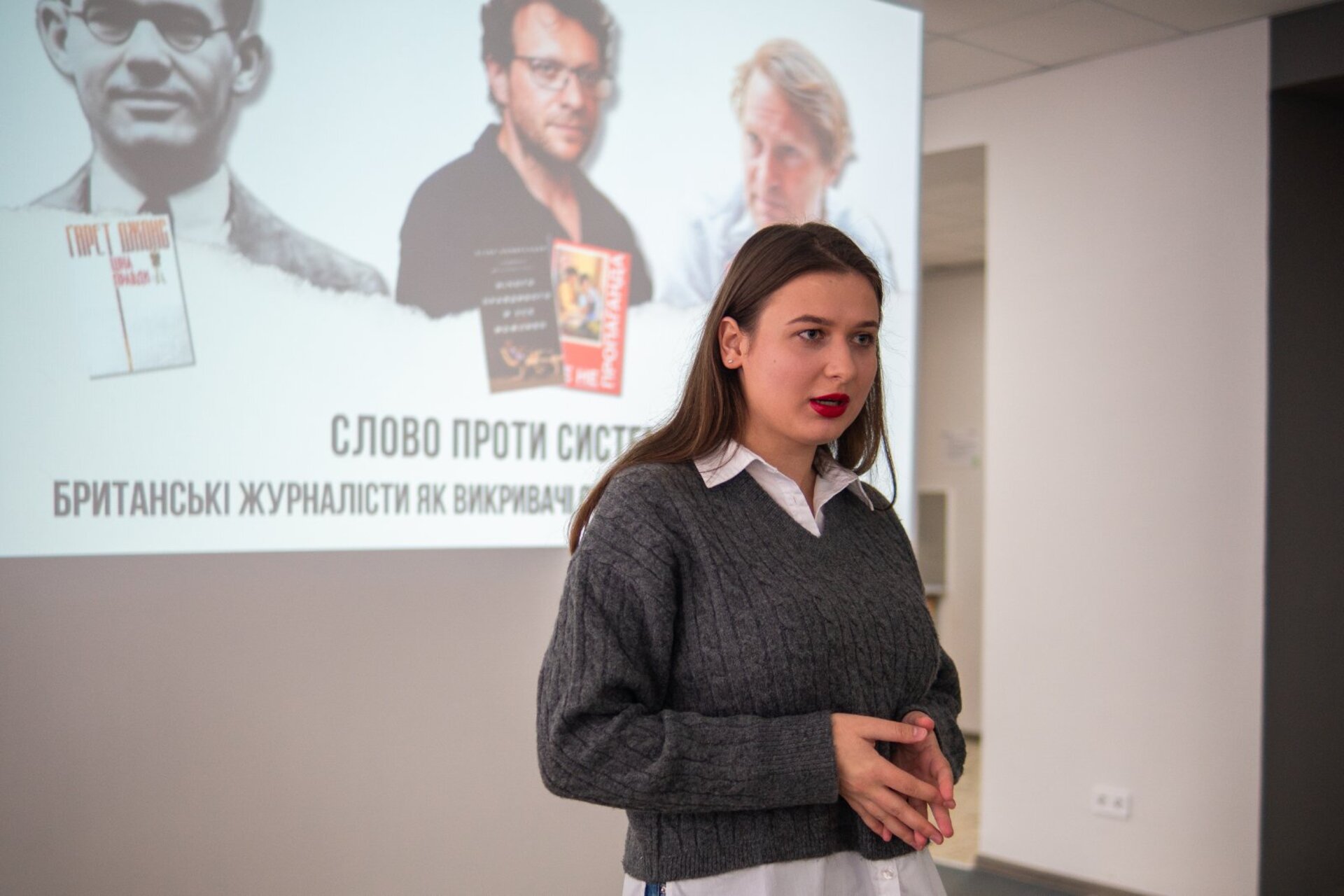
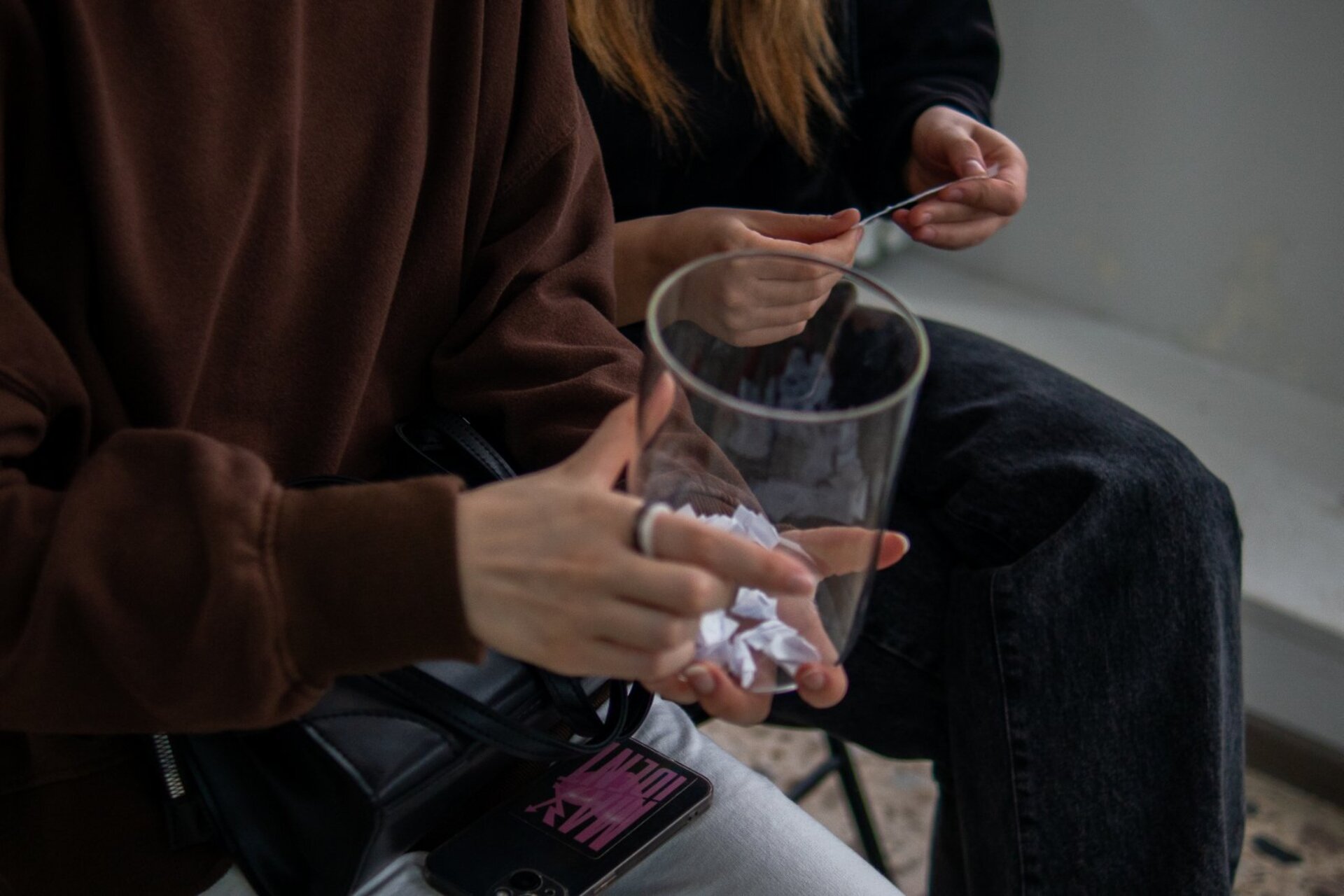
As the lecturer said, she loves books. So that day, nine people left the event with a notebook, pen, sticker, or book. Three participants received books by Ayn Rand: The Virtues of Selfishness, The Fountainhead, and the novel We the Living. I myself went home with a notebook, pen, and stickers!
So, I learned a lot of interesting things at this lecture. I discovered reporting from a slightly different angle and heard a lot of new things. But something else remained in my heart—an understanding of how important it is to report the truth, especially in our time.