If you’re too lazy to sort your trash, there are strict penalties abroad.
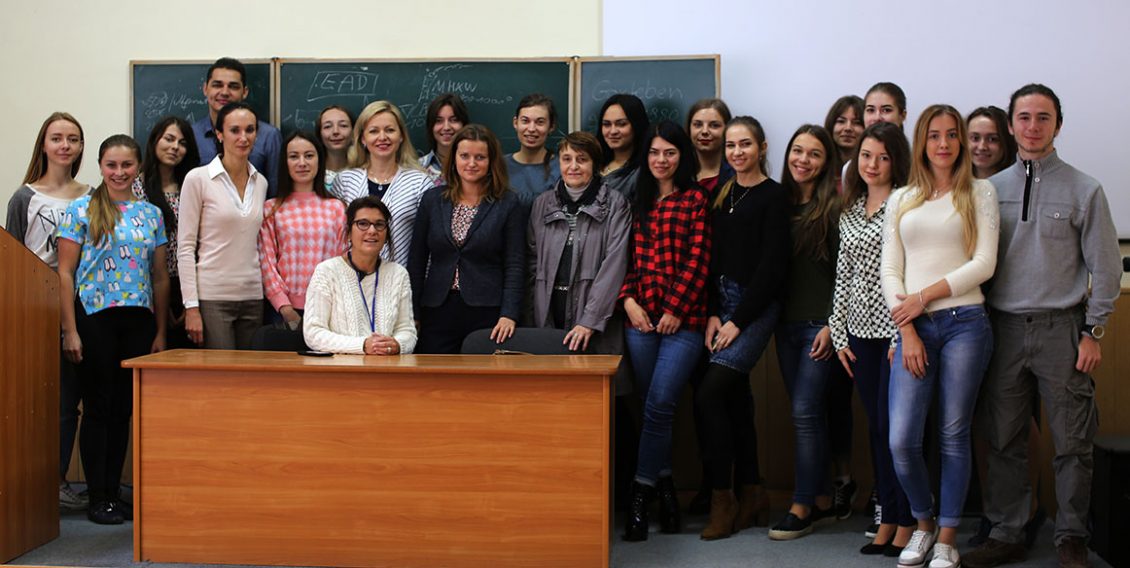
On October 6, the Faculty of Biology hosted a meeting with Birgit Jourdain-Munk, an environmental engineer specializing in environmental protection, a waste management consultant, and a representative of the Darmstadt Municipal Utilities and Services (Germany).
Ms. Birgit shared her experience with waste recycling and sorting in Darmstadt:
– Thirty years ago, we realized that if things continued this way, we would be unable to avoid environmental problems. We also came to understand that waste recycling offers not only environmental but also economic benefits. We saw that we could generate additional funds for the city’s development. The key was to take the first step—teaching people to sort their waste, showing them that this is done for the sake of the future, for the health of our planet, and for our children. So, the municipality funded the construction of a waste recycling plant, which cost over 20 million euros.
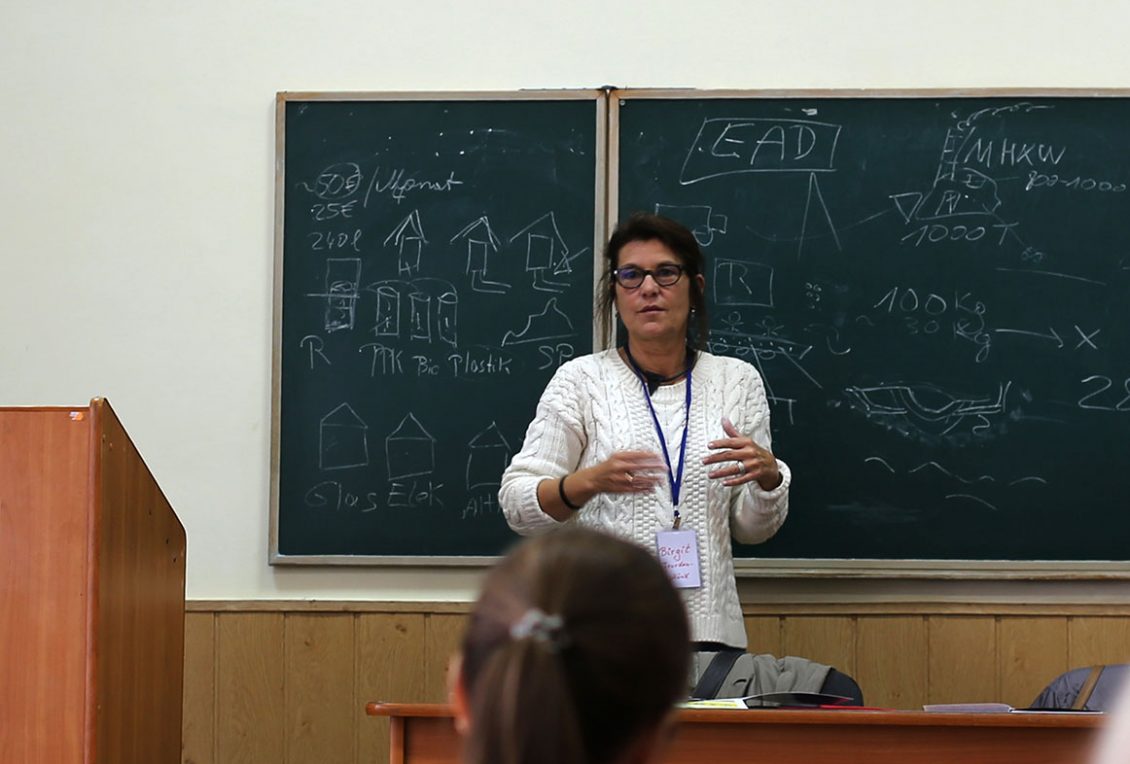
Today, in front of every home in Germany, you can see five differently colored bins: for unsorted trash, organic waste, paper, packaging and plastic, and colored and clear glass. Thanks to waste sorting at the household level, the government saves not only money but also time on recycling.
A family pays 80 euros for the removal of 240 liters of trash. Trash is collected twice a week.
During the discussion, the issue of hazardous waste was raised—mercury lamps, batteries, refrigerators, and other electrical appliances. These are not collected by the regular trash service—you need to call a special number, and a designated vehicle will arrive. There are also collection points in the city. As for the disposal of special types of waste, this is handled by specialized companies.
If someone is too lazy to sort their trash, strict penalties are imposed. For the first violation, the trash collection fee is increased. In the event of a repeat offense, the company may refuse to provide its services for a certain period.

The experience of our German colleagues shows that, with the right approach to addressing this issue, local communities not only solve environmental problems but also reap significant economic benefits from the implementation of modern waste processing technologies.