
Uzhhorod has every chance of becoming an active participant in shaping new approaches to life in the context of the new climate reality.
Uzhhorod University, together with its Polish partners, is launching an innovative project to develop effective solutions for mitigating the negative impacts of climate change.
“Tropical nights,” when temperatures do not drop below 20°C, “heat waves,” and destructive downpours that paralyze traffic—this is the reality of modern European cities. And Uzhhorod is no exception.
In light of these challenges, the Faculty of Biology at Uzhhorod National University has joined the international project “Water-Saving Solutions to Mitigate the Impact of Climate Change” (WaterGarden). The project is being implemented under the Interreg NEXT Poland-Ukraine program, funded by the EU and co-financed by the program’s participating countries. Participants in the project include Uzhhorod National University and Maria Skłodowska-Curie University of Lublin (UMCS). The total budget is €462,344.00, of which €196,009.51 is the grant amount for UzhNU.
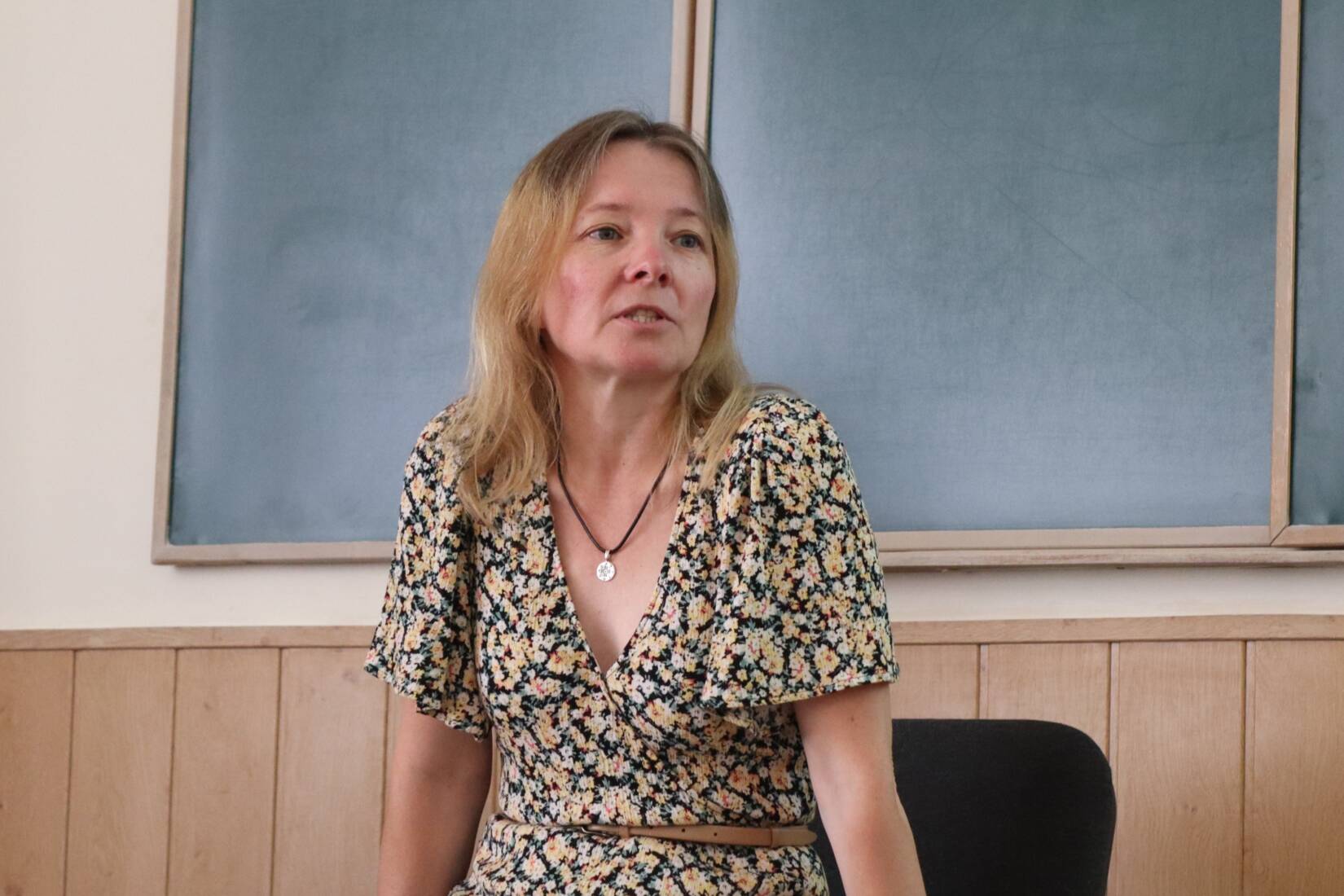
This project is the only one of its kind in Transcarpathia and, likely, one of the first in Ukraine as a whole. Climate change knows no borders. Natural disasters, heat waves, and sudden downpours have already become a new reality for European cities. Our joint project will not only enhance the environmental resilience of Uzhhorod and Lublin but also create a platform for scientific, educational, and civic cooperation,” emphasizes project manager Oksana Stankevych-Volosyanchuk. “Our goal is not simply to reduce the risks of climate disasters. We want to provide communities with practical solutions that anyone can implement at home or in their city. And we also want to inspire through science and education. Municipalities are now beginning to develop climate change measures, and our recommendations will be useful to them.
The aim of the project is to promote innovative solutions in Ukrainian and Polish society and to implement a series of pilot initiatives for climate change adaptation, as well as to create conditions for cross-border cooperation and capacity building through the establishment of scientific -educational centers for climate change adaptation based at the Botanical Garden of Uzhhorod National University and the Maria Curie-Skłodowska University in Lublin.
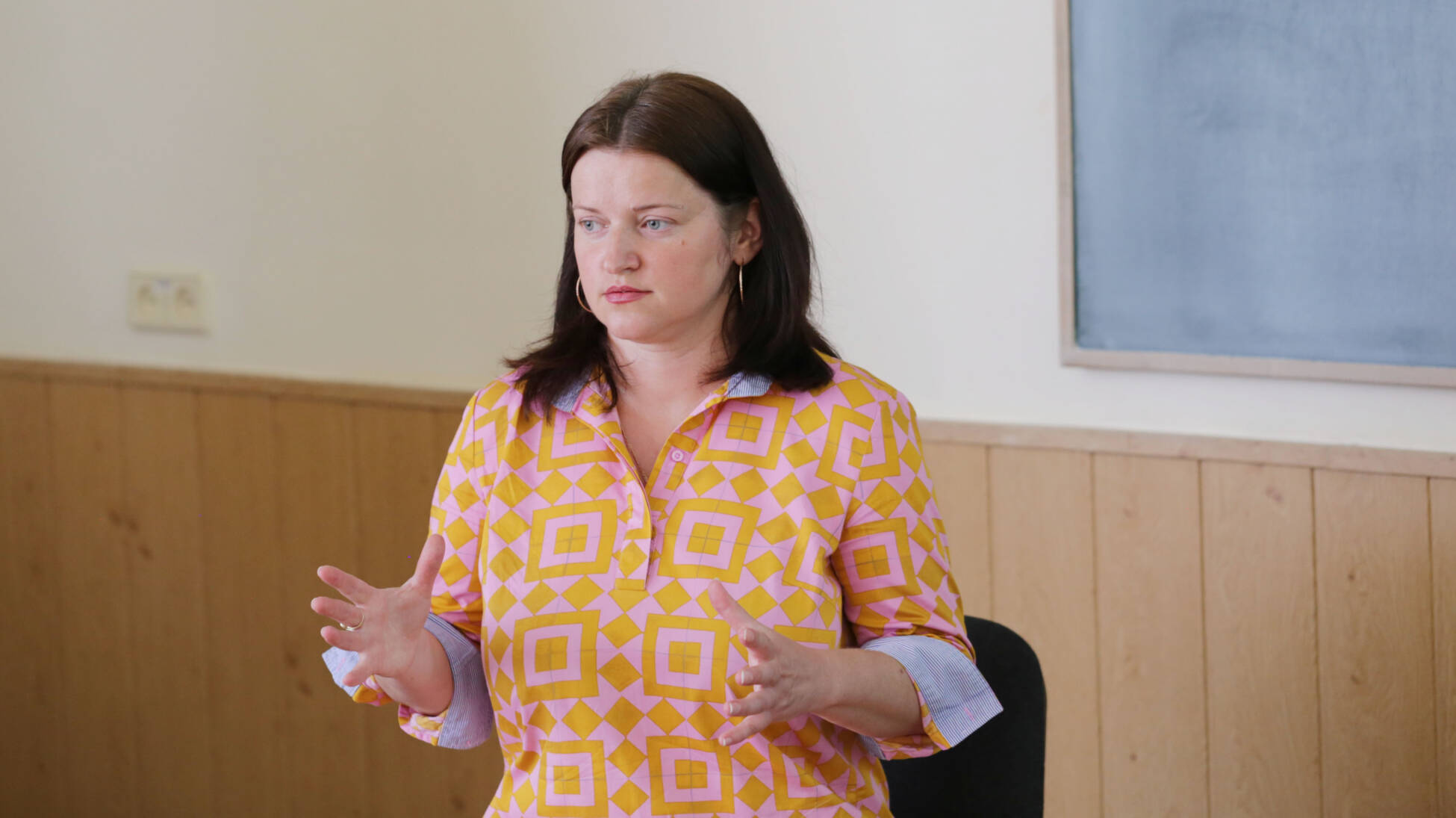
Yaroslava Hasynytsia, Dean of the Faculty of Biology, notes: “Cities must start preparing for climate challenges now. The WaterGarden project will help implement nature-based solutions that will not only reduce the risk of flooding but also help the urban environment adapt to extreme heat. We are creating tools that will benefit both people and the environment. The project involves a significant area that serves as the ‘lungs of the city.’ This includes the Botanical Garden—both the new forest area surrounding Uzhhorod and the older section, which covers up to 4 hectares. Small locations throughout the city will also be utilized, including the courtyard of the Biology Department. Key to the project will be the knowledge gained through academic disciplines, so that in the future, students can apply these skills in their professional careers. All results of our project will be presented not only to the public but also to local authorities.”
An educational and information center on climate adaptation will be established at the UzhNU Botanical Garden, and a climate trail will be developed; by walking along this trail and visiting various installations, visitors will gain an understanding of the role of natural elements in the urban environment in rainwater conservation.
Among the innovative solutions to be tested are “rain gardens” and “rain gardens.” These are artificial depressions in the terrain planted with moisture-loving perennials that, thanks to the characteristics of their root systems, collect and retain rainwater. Such features not only prevent flooding but also create natural cooling systems for the city.
 The project involves the creation of a comprehensive system for monitoring environmental, meteorological, and hydrological conditions in Uzhhorod. Air quality monitoring will be implemented in various parts of the city, taking into account the density of the transportation network and the degree of green space coverage. Of particular interest will be a temperature map of the entire city, which will help identify the most critical neighborhoods.
The initiative also involves developing educational programs for students on environmental sustainability and climate innovation.
Project manager and director of the UzhNU Career Center, Associate Professor Tetiana Buturlakina, noted: “Our project is structured and comprises several components. Specifically, the educational component, which involves engaging students and schoolchildren. It also includes robust research and expert activities, which entail a series of measures. All these areas are interconnected and aimed at creating sustainable cities and communities capable of adapting to the challenges of climate change.”
The final outcome of the project will be access for municipalities, urban planners, and households in Ukraine and Poland to practical catalogs of best nature-based solutions aimed at effective stormwater management in urban environments. These materials will help both large cities and individual households adapt their spaces to new climatic conditions.
Thus, Uzhhorod has every chance of becoming an active participant in shaping new approaches to life in the context of the new climatic reality.